
5 Mindful Shadow Work Exercises for Self-Exploration and Integration
- Lætitia

- Dec 16, 2025
- 5 min read
Updated: Dec 18, 2025
Discover the transformative power of shadow work in Jungian psychology—a journey into the unconscious parts of ourselves that shape our behaviors and emotions. This article explores Jung’s legacy, the role of archetypes, and practical methods to engage with your shadow safely. Learn how combining shadow work with mindfulness deepens self-awareness and fosters healing, guiding you toward greater authenticity and emotional balance.
Not to confuse with:

that's another story.
Exploring Shadow Work in Psychology: Insights from Carl Gustav Jung and Jungian Therapy

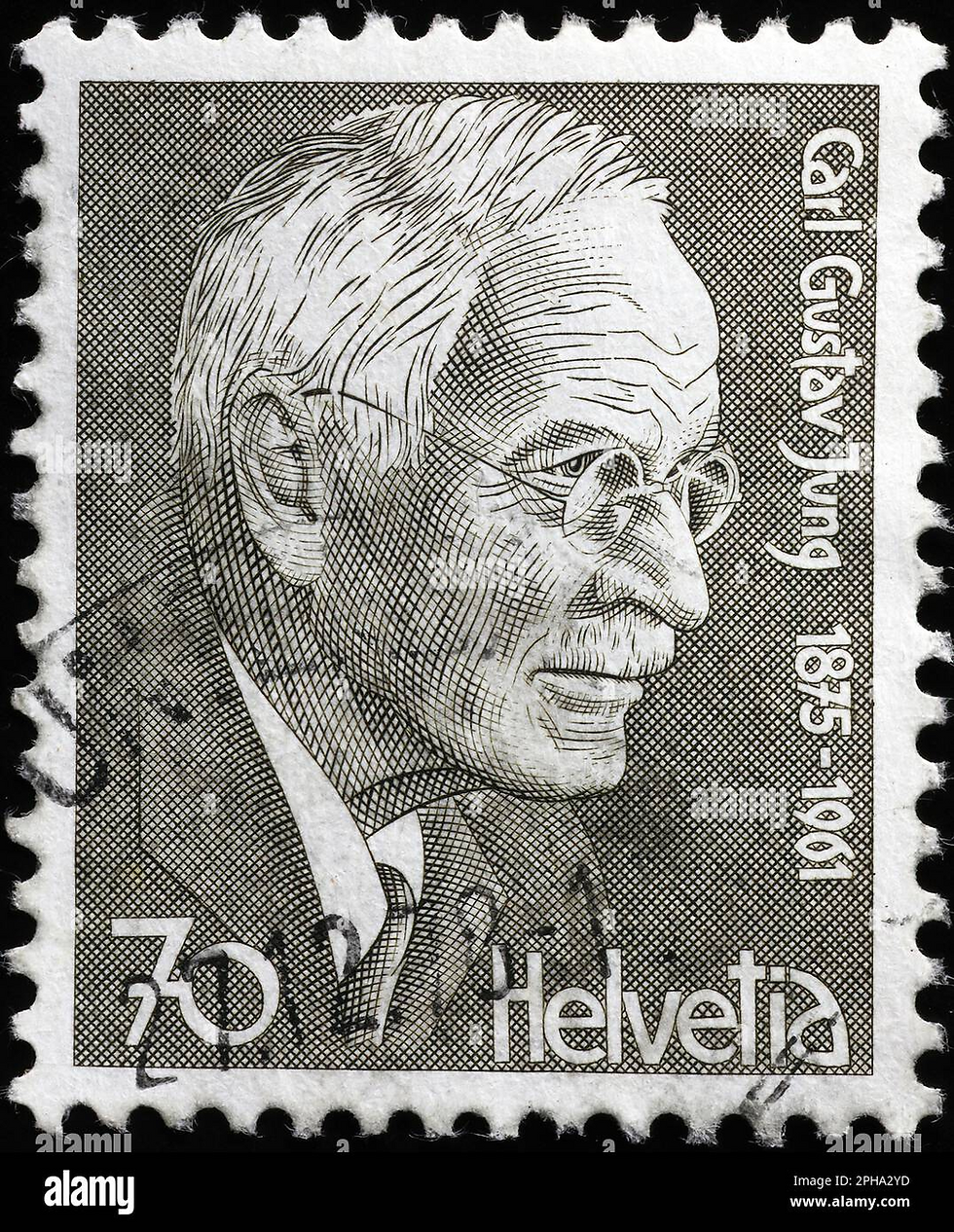
Carl Gustav Jung (1875–1961) was a Swiss psychiatrist and psychoanalyst whose pioneering work profoundly shaped modern psychotherapy.
A contemporary and initially a close collaborator of Sigmund Freud, Jung diverged to develop his own analytical psychology, emphasizing the exploration of the unconscious mind as a gateway to personal growth and healing.
Jung introduced revolutionary concepts such as the collective unconscious, archetypes, and psychological individuation. His work expanded the understanding of the psyche beyond Freud’s focus on sexuality and repression, incorporating spirituality, mythology, and symbolism. Today, Jung’s theories continue to influence various therapeutic practices, including depth psychology, art therapy, and dream analysis.
The Jungian Therapy Approach: Deepening the Psyche
Jungian therapy, or analytical psychology, aims to facilitate individuation—a lifelong process of integrating conscious and unconscious aspects of the self to achieve wholeness. Unlike symptom-focused therapies, Jungian therapy explores the deeper layers of the psyche, including dreams, fantasies, myths, and personal symbols.
Central to this approach is the belief that the unconscious holds vital messages that, when recognized and integrated, foster psychological balance and resilience. The therapist and client work collaboratively to uncover hidden patterns and conflicts, often through techniques like dream interpretation, active imagination, and exploration of personal and cultural symbols.
Understanding Jungian Archetypes

Archetypes are universal, primordial symbols and motifs residing in the collective unconscious—shared by all humans across cultures and history. They manifest in myths, stories, dreams, and behaviors, shaping how we perceive ourselves and the world.
Some key archetypes include:
The Self: The archetype of wholeness and integration.
The Shadow: The unconscious part of the personality containing repressed, denied, or hidden traits.
The Anima/Animus: The feminine side in men (Anima) and the masculine side in women (Animus).
The Persona: The social mask or role one presents to the world.
The Hero, The Wise Old Man/Woman, The Trickster, among others.
These archetypes provide a framework to understand inner conflicts and potentials within the psyche.
What Is Shadow Work?

The Shadow represents the parts of ourselves we reject or deny—traits, desires, memories, or impulses deemed unacceptable by our conscious mind or society. Shadow work is the conscious process of exploring, confronting, and integrating these unconscious elements to heal psychological wounds and foster authenticity.
Engaging with the shadow allows people to reclaim disowned parts of themselves, reduce inner conflicts, and transform negative patterns. However, shadow work can be intense and challenging, as it involves facing uncomfortable truths and emotions.
10 Methods to Engage with Shadow Work
To safely and effectively engage with shadow work, it is recommended to work with a trained therapist. Here are ten common methods used in shadow work:
Journaling: Writing freely about emotions, dreams, or recurring patterns to uncover hidden aspects.
Dream Analysis: Exploring symbolic content in dreams to identify shadow elements.
Active Imagination: Dialoguing with inner figures or symbols through visualization or creative expression.
Art Therapy: Using drawing, painting, or sculpting to express unconscious material.
Mindfulness Meditation: Observing thoughts and feelings non-judgmentally to notice shadow triggers.
Projection Work: Identifying traits disliked in others that may reflect one’s own shadow.
Role-Playing: Acting out shadow aspects to gain awareness and empathy.
Body Awareness Practices: Noticing physical sensations linked to suppressed emotions.
Shadow Dialogue: Engaging in internal conversations between conscious self and shadow parts.
Guided Imagery: Using therapist-led visualizations to safely explore shadow content.
The Bridge Between Shadow Work and Mindfulness
Mindfulness, the practice of present-moment, non-judgmental awareness, is a powerful complement to shadow work. It cultivates the inner space needed to observe shadow aspects without avoidance or repression. Mindfulness enhances emotional regulation and self-compassion, essential for integrating difficult shadow material.
By combining shadow work with mindfulness, individuals deepen self-exploration and acceptance, creating fertile ground for transformation. This synergy increases the effectiveness of therapy by promoting conscious awareness, reducing resistance, and fostering a compassionate relationship with all parts of the self.
Shadow work, rooted in Jungian psychology, offers a profound path to healing and self-discovery by integrating the hidden parts of our psyche. Through various methods and with the support of mindfulness, it enables a fuller, more authentic life.

5 Mindful Shadow Work Exercises for Self-Exploration and Integration
1. Mindful Journaling: Dialoguing with Your Shadow
How to do it: Set aside 10-15 minutes in a quiet space. Begin with a few deep breaths to center yourself. Write down any recurring thoughts, emotions, or behaviors you find challenging or uncomfortable. Then, imagine your “shadow self” responding to your writing—write back from its perspective, allowing honesty without judgment.
Purpose: This dialogue fosters awareness and compassion toward disowned parts, gently inviting integration.
2. Mindfulness of Triggers: Observing Without Judgment
How to do it: When you notice a strong emotional reaction or judgment toward someone or a situation, pause. Take 3-5 mindful breaths, focusing on the sensation in your body and the thoughts arising. Ask yourself: “What might this reaction be showing me about myself?” Observe without trying to change or suppress.
Purpose: This practice helps identify projections of the shadow and cultivates non-reactive awareness.
3. Shadow Body Scan
How to do it: Lie down or sit comfortably. Close your eyes and slowly scan your body from head to toe, noticing areas of tension, discomfort, or numbness. Breathe into these areas with gentle curiosity. Invite any emotions or memories linked to these sensations to arise without resistance.
Purpose: This connects physical sensations to unconscious emotions, supporting embodied shadow awareness.

4. Active Imagination Visualization
How to do it: After settling into a relaxed state, visualize meeting a figure representing your shadow—this could be a person, animal, or symbol. Observe its appearance, feelings, and messages. Engage in a silent or spoken dialogue, asking questions and listening. When ready, thank the figure and gently return your focus to the present.
Purpose: This exercise fosters direct communication with shadow aspects, promoting understanding and integration.
5. Compassionate Mindfulness Meditation
How to do it: Sit quietly and bring to mind a personal trait or behavior you find difficult to accept. Observe any sensations or feelings arising with gentle, accepting awareness. Silently repeat phrases such as: “May I accept myself as I am,” or “May I be kind to this part of me.” Return to the breath whenever the mind wanders.
Purpose: This meditation nurtures self-compassion, essential for healing shadow parts.
Important Reminder
Shadow work can surface intense emotions and memories. It is highly recommended to practice these exercises with patience, self-care, and preferably under the guidance of a trained therapist or counselor, especially if you experience trauma or mental health challenges.


Comments