
Emotional Intelligence and Clairsentience explained
- Lætitia

- Aug 29, 2025
- 5 min read
Updated: Jan 10
Emotional intelligence (EI) refers to the ability to recognize, understand, manage, and influence emotions in oneself and others. It is an essential aspect of human interaction, affecting personal relationships, leadership, and overall well-being.

An hyper sentience
Heightened interpersonal sensitivity refers to an increased awareness of others' emotional states, behaviors, and social cues, often making individuals more attuned to subtle changes in their environment and in relationships. There are several potential causes for this heightened sensitivity, ranging from psychological to social and biological factors. Here are the most common causes:
Trauma or Adverse Childhood Experiences (ACEs)
- Individuals who have experienced trauma, particularly in childhood, may develop heightened sensitivity as a defense mechanism. They may become hyper-vigilant to the moods, behaviors, and body language of others to anticipate and avoid conflict or danger. Childhood neglect, abuse, or witnessing violence can contribute to this sensitivity as the brain becomes wired to detect potential threats.
- Source: Research shows that adverse childhood experiences can lead to heightened sensitivity to emotional cues and difficulty regulating emotions later in life .
Anxiety or Social Anxiety
- People with anxiety, particularly social anxiety, often exhibit heightened interpersonal sensitivity as they become overly concerned with how others perceive them. This can make them more attuned to perceived social rejection, criticism, or disapproval, even if it's subtle or unintended.
- Source: Studies suggest that social anxiety disorder is linked with heightened sensitivity to negative social feedback and non-verbal cues .
Empathy and Emotional Intelligence
- Some individuals are naturally more empathic, which can contribute to heightened sensitivity. These people may have an innate ability to understand and share the emotions of others, making them more responsive to shifts in emotional energy or social cues. High emotional intelligence can amplify one's awareness of others' needs and emotional states.
- Source: Empathy plays a significant role in emotional sensitivity and interpersonal awareness .
Neurodivergence (Autism Spectrum, ADHD, etc.)
- Some neurodivergent individuals, particularly those on the autism spectrum or with ADHD, may experience heightened interpersonal sensitivity due to difficulties in processing social information or an increased focus on sensory input. While some may struggle with interpreting social cues, others may become hyper-aware of details, leading to sensory overload or heightened emotional reactivity.
- Source: Research on autism spectrum disorder indicates that some individuals experience heightened sensitivity to social and environmental stimuli .
Attachment Styles
- People with insecure attachment styles, particularly anxious-preoccupied attachment, tend to be highly sensitive to the emotional availability and behaviors of those around them. They may constantly seek reassurance and be on alert for signs of rejection or abandonment in their relationships.
- Source: Attachment theory suggests that early interactions with caregivers influence how individuals perceive and react to others' emotions in adulthood .

Hypervigilance Due to PTSD
- Those suffering from post-traumatic stress disorder (PTSD) may develop hypervigilance, a state in which they are constantly scanning their environment for threats. This can result in heightened sensitivity to interpersonal dynamics, as the individual may unconsciously look for signs of danger or emotional instability in others.
- Source: PTSD often leads to a heightened awareness of others' emotional states, as individuals may become overly focused on preventing future trauma .
Cultural or Social Influences
- In some cultures or family environments, people are taught to be more attuned to the emotions and needs of others as part of socialization. In highly collectivist cultures, for instance, interpersonal harmony is emphasized, and individuals may become more sensitive to social cues and the emotions of those around them.
- Source: Cultural norms can play a significant role in shaping how people perceive and respond to others' emotions .
Personality Traits
- Certain personality traits, like high agreeableness or introversion, are linked to greater sensitivity to social and emotional dynamics. People with high agreeableness tend to be more attuned to the needs and feelings of others, while introverts may be more sensitive to overstimulation in social situations, leading them to become hyper-aware of their surroundings.
- Source: Personality psychology has found links between traits like agreeableness and emotional sensitivity .
Perfectionism
- Perfectionists may become overly concerned with how they are perceived by others and whether they meet social expectations. This can lead to a heightened sensitivity to criticism or perceived judgment, making them more reactive to interpersonal feedback.
- Source: Perfectionism often leads to increased sensitivity to social approval and feedback【14†source】.
Mental Health Conditions
(e.g., Borderline Personality Disorder)
- Some mental health conditions, such as Borderline Personality Disorder (BPD), are associated with heightened sensitivity to interpersonal dynamics. Individuals with BPD may experience intense emotional responses to perceived slights or rejections, and they may struggle to regulate their emotional reactions to these cues.
- Source: BPD is closely linked with emotional dysregulation and heightened interpersonal sensitivity【15†source】.
Conclusion
Heightened interpersonal sensitivity can stem from a variety of factors, ranging from past trauma and anxiety to personality traits and neurodivergence. While this sensitivity can provide deeper emotional awareness and empathy, it may also lead to emotional exhaustion or stress in certain social situations.
Developing emotional regulation strategies and seeking support, such as therapy, can help individuals manage this sensitivity effectively.
(Sources include research from psychology, mental health studies, and theories on attachment and trauma)

Emotional intelligence
Emotional intelligence refers to the ability to perceive, understand, and manage one’s own emotions and relationships. It involves being aware of emotions in oneself and others and using this awareness to guide thinking and behavior. Emotionally intelligent individuals can motivate themselves, read social cues, and build strong relationships
Some researchers propose that emotional intelligence can be learned and strengthened, while others argue it is an inborn characteristic.
The ability to express and manage emotions is essential, but so is the ability to understand, diagnose, and react to the emotions of others. Imagine a world in which one could not understand when a friend felt sad or a classmate was angry.
Daniel Goleman, a psychologist and author, popularized the concept in the 1990s and identified five core components of emotional intelligence:
Self-awareness
The ability to recognize and understand one's own emotions, emotional triggers, and how these feelings affect thoughts and behavior. Self-aware individuals are able to assess their own strengths and weaknesses and are conscious of how they are perceived by others.
Self-regulation
This is the capacity to control or redirect disruptive emotions and impulses and maintain control over one's behavior in challenging situations. It involves managing feelings like frustration, anxiety, and anger in healthy ways, allowing for more thoughtful responses rather than reactive behavior.
Motivation
A drive to achieve goals for intrinsic reasons beyond external rewards, such as money or status. Emotionally intelligent individuals are often motivated by a passion to fulfill personal aspirations, maintain positive attitudes, and stay resilient in the face of challenges.
Empathy
The ability to understand and share the feelings of others. Empathy allows people to connect with others on an emotional level, which is crucial for managing relationships, improving communication, and offering support to those in need.
Social skills
These involve navigating social networks, building positive relationships, influencing and inspiring others, and resolving conflicts effectively. People with strong social skills tend to work well in teams, communicate clearly, and foster cooperation.
Why Emotional Intelligence Matters
- Personal relationships: High emotional intelligence improves communication, empathy, and conflict resolution, fostering healthier relationships.
- Leadership: Leaders with strong emotional intelligence are better at motivating teams, handling stress, and making balanced decisions.
- Mental health: Understanding and managing emotions helps reduce stress, anxiety, and negative thought patterns, contributing to better emotional well-being.
- Workplace success: People with high emotional intelligence often excel in roles requiring teamwork, customer service, and leadership, making them valuable employees and leaders.
Measuring Emotional Intelligence
There are various methods to assess emotional intelligence, including self-report questionnaires like the Emotional Quotient Inventory (EQ-i) and ability-based tests such as the Mayer-Salovey-Caruso Emotional Intelligence Test (MSCEIT).
Emotional intelligence can be developed through self-reflection, mindfulness, and learning strategies for better emotional regulation and social interaction.
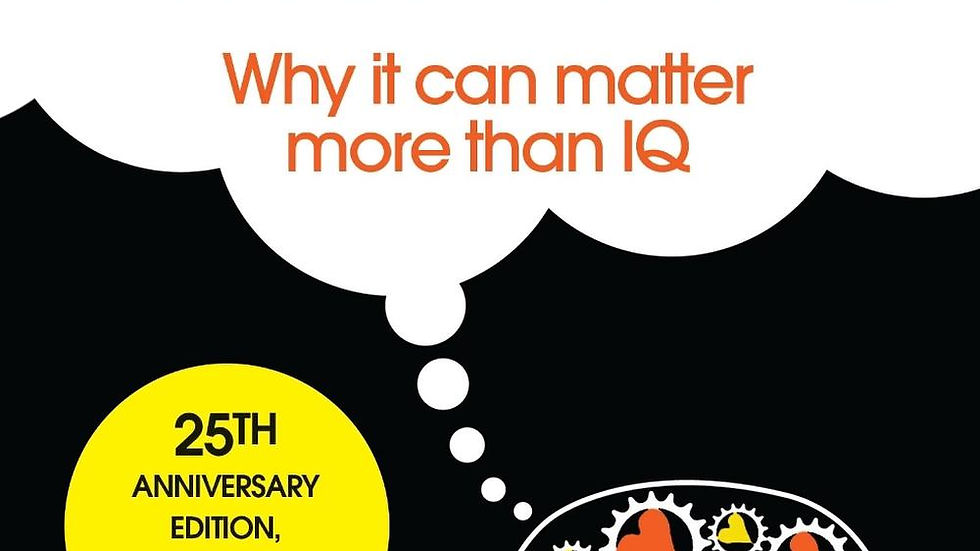
For more in-depth insights, Daniel Goleman's book "Emotional Intelligence: Why It Can Matter More Than IQ" provides a comprehensive overview of this concept.


Comments